Leonard Patz's confession letter
Defending JacobLeonard Patz's confession letter is the decisive late revelation in Jacob Barber's trial: after Patz is subpoenaed, he dies by suicide and leaves a note described as a full confession. The authorities confirm the handwriting, and the confession prompts the prosecution to drop the case before the judge takes the bench. The note changes Jacob's legal fate at once, though its arrival does not turn the trial's earlier uncertainty into a fully examined account of what happened.
The case before the confession
The letter's significance rests on a problem that had shaped the prosecution's story from the start: how to explain the murder of Ben Rifkin. In his opening statement, Neal Logiudice presents Ben's death in Cold Spring Park as the result of a boy's temper finally snapping after ordinary teasing. He promises the jury a story connecting the killing to a trigger, yet admits that the trigger may never be known and offers possibilities rather than a definite explanation. The confession note arrives against this unresolved question of motive and causation.
Logiudice also frames the competing human story through the boys' school lives. He tells the jury Ben had teased Jacob, while emphasizing that Ben was an ordinary fourteen-year-old rather than a saint; he contrasts Ben's popularity with Jacob's isolation. This prosecution narrative makes the killing legible as a sudden eruption from resentment. The later report of Patz's confession displaces that account as the basis for continuing the case, but the evidence here does not provide the note's contents or explain its claims in detail.
Discovery and verification
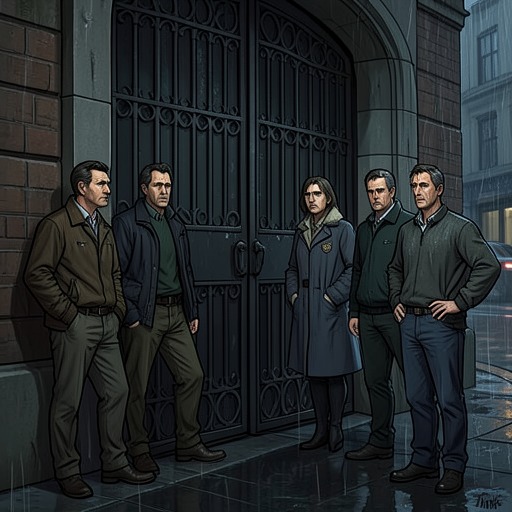
The news reaches the Barber family through an urgent report: Jonathan Klein has had Patz served, Patz received the subpoena, and Patz killed himself the previous night, leaving a full confession. The handwriting is confirmed as authentic. That verification gives the note an immediate legal force in the family’s understanding of events; it is not presented merely as an unverified rumor or an anonymous accusation.
The family responds first with disbelief, then with relief. Laurie covers her mouth and begins to cry; she and Andrew embrace before they wake Jacob and tell him the news. They wait to celebrate until the case is officially dismissed, despite the sudden sense that the ordeal may have been undone. Their restraint reflects the remaining uncertainty: they still consider it possible that Logiudice might continue the prosecution despite Patz's confession.
Legal consequence and limits
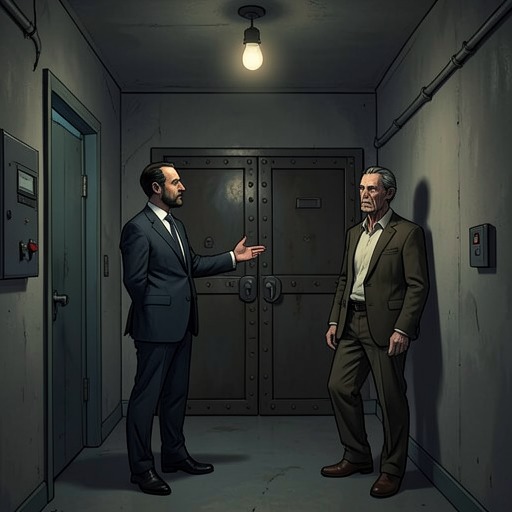
Jonathan plans to move for dismissal when court opens, but he does not get the opportunity. Before the judge takes the bench, Logiudice files a nol pros, formally announcing the government's decision to drop the charges. At nine, the judge tells Jacob that he is free, and the court orders him discharged from the indictment. The confession's consequence is therefore concrete and immediate: the prosecution ends without a jury verdict.
Andrew contrasts that outcome with an acquittal. To him, a not-guilty verdict would mean only that the prosecution failed to prove its case, whereas Patz's confession feels like proof that Jacob was innocent. The narrative presents this as the family's experience of the revelation, not as an account of the letter's full evidentiary examination: the supplied passages confirm the handwriting and report a full confession, but do not reproduce the note or describe a trial testing its contents.
Narrative significance
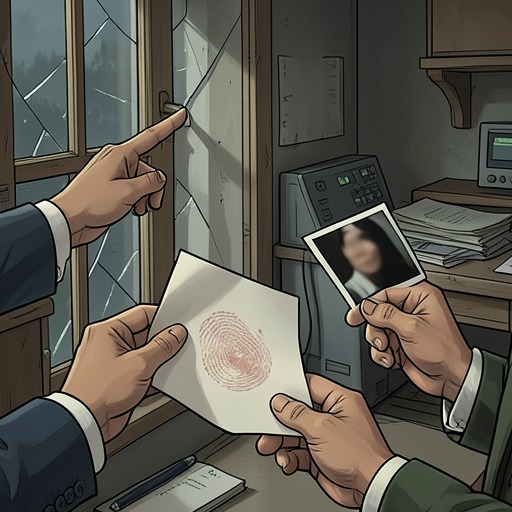
The note reverses the trial's direction through a document whose contents remain outside the reader's view. The reader hears that Patz confessed, that the handwriting is legitimate, and that the state abandons the indictment; the letter itself is not quoted. This gap makes its power simultaneously procedural and emotional: its verified existence is enough to end the case, while its unshown wording leaves the confession's precise account unavailable here.
Its arrival also sharpens the difference between a legal conclusion and a family's need for certainty. The court's dismissal is an official act, while Andrew experiences the confession as a miracle and as the erasure of a horrific episode. The abrupt movement from doubt to release gives the letter its force, but the evidence does not establish how it answers every question raised during the trial.